Represent your community: become a hospital governor

Being a governor is a voluntary role that helps make the trust publicly accountable to the communities we serve, the patients we care for, and the staff we employ.

Illustration of a diverse group of people of different backgrounds, cultures, ages, disabilities and religions, smiling and waving.

As an NHS Foundation Trust, we have more freedom to make local decisions, manage our services and plan our finances in a way that best meets the needs of the communities we serve. We also have a duty to use public resources effectively, efficiently, and economically. Our members elect governors to represent their views within our Council of Governors, which then holds us accountable for the services we provide.

Nominate yourself today.

The recently published NHS 10 Year Plan suggests that NHS Foundation Trusts may not be required to have Councils of Governors in future. If new legislation is introduced, governor terms could potentially come to an end in 2027. We want to be open about this so that anyone thinking about standing for election has the clearest possible information before deciding.

Governors do not manage the day-to-day operations of the trust. Instead, their role is to ensure that the views and interests of patients, the public and local communities are considered when decisions are made about the trust’s future. Our Board of Directors – made up of executive directors, non-executive directors and an independent chair – is responsible the leadership and management of the trust. Our governors hold our non-executive directors accountable for the performance of the board, with our chair providing the link between these two important areas. 

One of the most important parts of being a governor is helping the trust hear from its members and communities. This might include writing an article for the members’ newsletter, speaking at members’ events, supporting online activity, using social media, or drawing on your own networks to help us reach more people and encourage a wide and representative membership – whatever best suits your skills, interests and availability.  

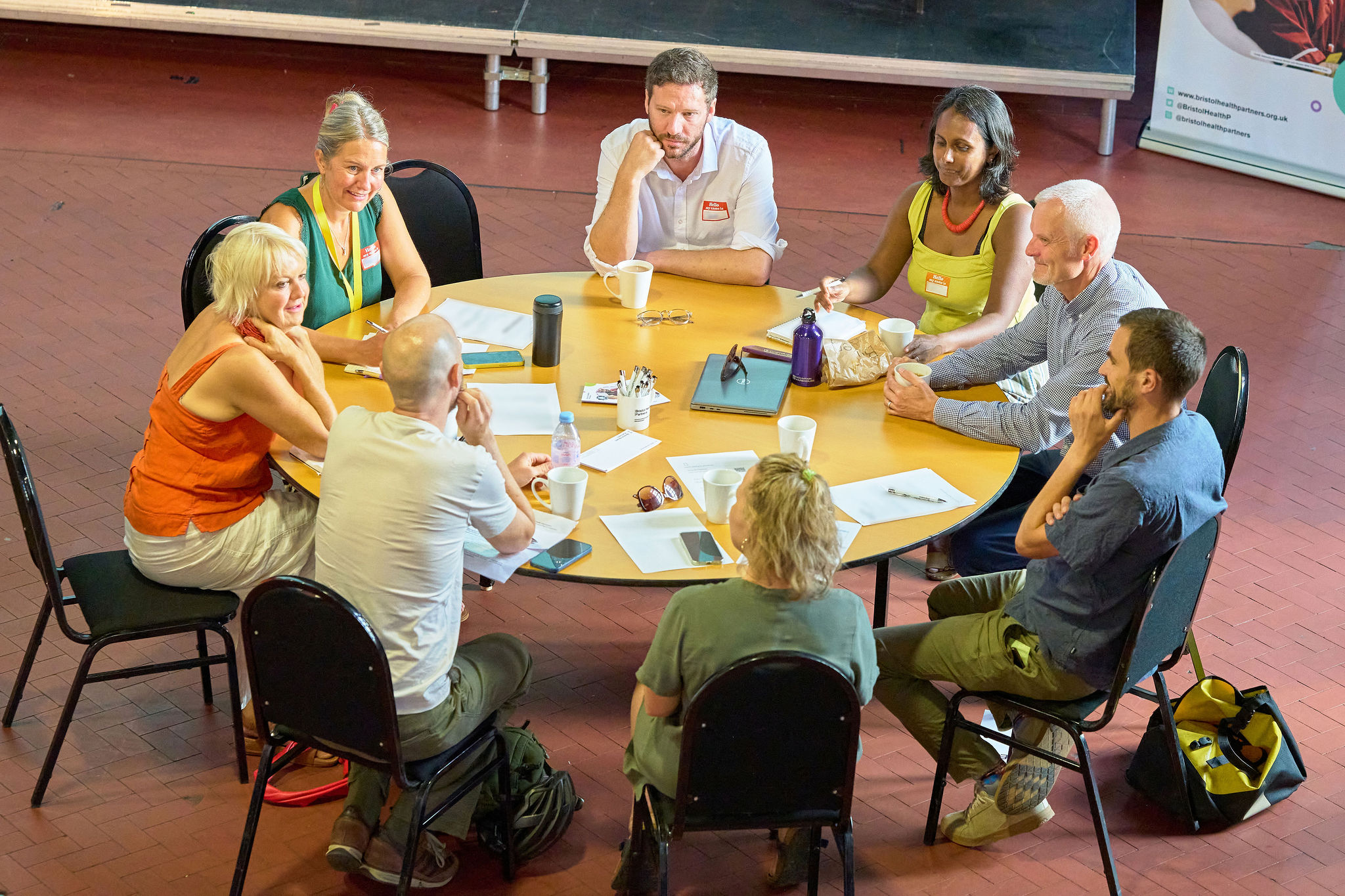
Eight members of our Council of Governors sat around a circular table talking to each other while several make notes with a pen and paper.


We’ve currently got 10 seats on our Council of Governors up for election:  

  • 3 public seats in Bristol

  • 3 public seats in North Somerset

  • 2 public seats in South Gloucestershire

  • 2 internal seats for non-clinical staff

Nominations are open 28 August 2026 until 21 September 2026. You can nominate yourself on the nominations website. Voting will be held from 9 to 29 October 2026.

A copy of our notice of election is available to download.

FAQs

Who can become a governor?

Any existing Foundation Trust member aged 16 or over can become a hospital governor, and you do not need any particular experience or qualifications. You do not need to have been a patient at the hospital. If you are not already a member, you can join for free today on our 'Join our Foundation Trust' page.

We want our Council of Governors to reflect the diversity of the communities our hospitals serve. A broad range of voices, experiences and perspectives helps us better understand local needs and make more informed decisions. We will do all we can to support governors with particular requirements, such as making information accessible for visually impaired governors, and ensuring meetings are wheelchair-accessible with appropriate facilities. If you think you may need additional support, please let us know.

Why become a governor?

Our governors tell us the role is rewarding, interesting, and a valuable way to help shape positive change at the trust. It offers a unique insight into our hospitals and the wider NHS, as well as the chance to work alongside other governors, meet new people, and feel part of a wider team.

What does a governor do?

Governors have two key duties:

  • to represent the views of members and the public, particularly in relation to the trust’s strategic direction
  • to hold the non-executive directors to account for the performance of the Board of Directors

They also need to read reports, meeting papers, and other information; comment on issues that matter to our members and the public; and attend our Council of Governor meetings. Meetings take place every month and are usually held in central Bristol, as well as via an online meeting platform, often during office hours, so please consider whether you can commit the time needed for the role.

All governors receive training and guidance to ensure they understand the role, support their development, and help them make a meaningful contribution.

What qualities should a governor have?

The most important qualities are enthusiasm, commitment, an interest in health, and a willingness to work constructively with others. Governors need to be able to ask questions, offer challenge, and consider information carefully.  

It may be helpful for them to have some of the following qualities:  

  • an understanding and interest in health issues and a commitment to NHS values

  • good interpersonal and communication skills

  • sufficient time and commitment to fulfil the role (including the ability to attend meetings during office hours)

  • sound, independent judgement; diplomacy; and common sense

  • the ability to grasp relevant issues and understand relationships between interested parties

  • the ability to develop an understanding of the different legal duties and responsibilities of governors and board members

How many governors are there?

Our Council of Governors is made up of 29 governors: 

  • 17 elected public governors representing four geographical constituencies (9 governors for Bristol, 3 for North Somerset, 3 for South Gloucestershire, and 2 for the rest of England & Wales)

  • 6 elected staff governors representing four different staff groups (1 governor for Medical & Dental, 2 for Nursing & Midwifery, 1 for Other Clinical Healthcare Professionals and 2 for Non-clinical Staff)

  • We also have 6 appointed governors from special interest groups (1 from the trust’s Joint Union Committee, 2 from the trust’s Youth Involvement Group, 1 from Bristol City Council, 1 from the University of Bristol and 1 from the University of the West of England)

Public governors are elected by Foundation Trust members in each of the geographical constituencies, and staff governors are elected by staff in each of the different staff groups. Elections are staggered over three years, to make sure that not all governors leave at once.