What is my injury?
You have broken (fractured) the top part of your upper arm bone. This is called a proximal humerus fracture.
Although this injury can be very painful, most fractures heal without an operation. Because of this, you do not routinely need a follow-up appointment with the orthopaedic team or another X-ray in the Fracture Clinic.
If you have any questions about your injury or recovery, please contact the Frailty Trauma ACP on 07511 166031.
Why is this information for older people?
Older people can find recovery from this injury particularly challenging. This leaflet provides additional information to support a safe and successful recovery.
Family members and carers can also use this leaflet to support someone who is unable to follow the advice independently.
If you are able to attend appointments and follow an exercise programme, speak to a healthcare professional about a referral to outpatient physiotherapy.
What to expect in your recovery
The pain begins to settle 3 to 4 weeks after the injury. The pain may feel worse before it feels better.
In the first 2 weeks swelling and bruising will travel down your arm and may affect your hand. It can help to know that this is normal.
The bones take 8 to 12 weeks to heal and by three months most pain should have gone.
It may take 6 to 12 months for you to get maximal use back in your arm – aim for as much movement as possible but it may not be the same as you had before your injury.
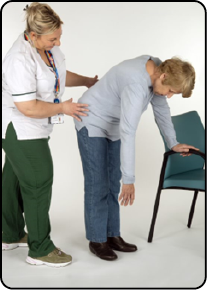
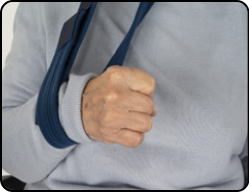
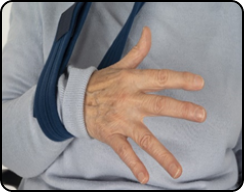
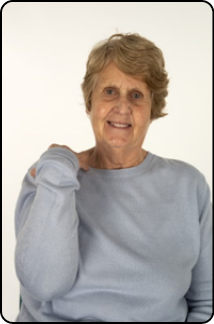
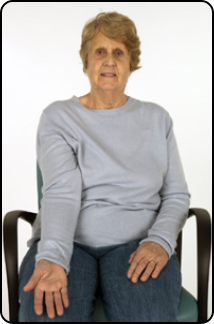
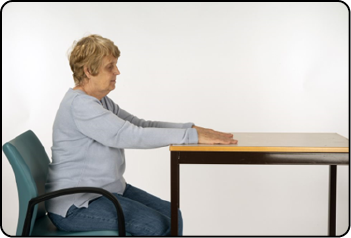
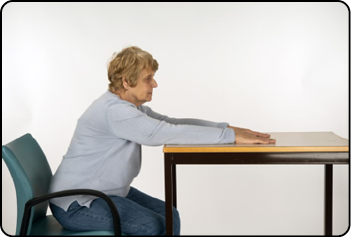
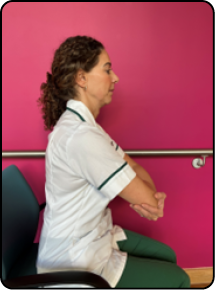
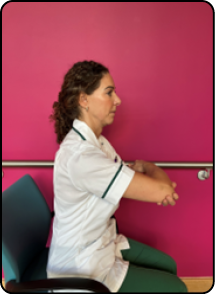
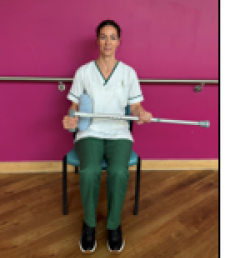
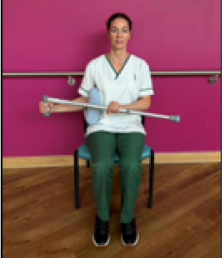
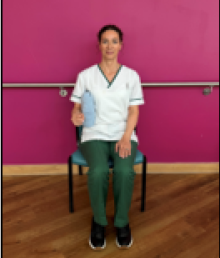
The exercises and advice that follow will help get your arm moving and give you the best chance of recovery.
When to seek urgent medical advice
Seek urgent medical advice if, at any time after your injury, you develop:
- a new loss of movement in your hand or wrist, or
- a new loss of feeling or numbness in your hand or wrist.
Looking after yourself at home
Remove any rings or jewellery as soon as possible and keep them off until all swelling has settled.
You will need extra help while your arm heals. If you need more support than expected when you get home, contact the Single Point of Access: 0300 125 6789.
Take pain relief as advised by your doctor. If your injury makes it difficult to manage your medication, tell someone as soon as possible.
Constipation can occur due to pain medication and reduced activity. Drink plenty of fluids and use laxatives if needed. Seek advice from a healthcare professional if constipation continues.
Wear loose-fitting clothing. Dress your injured arm first and remove it last to minimise pain and movement.
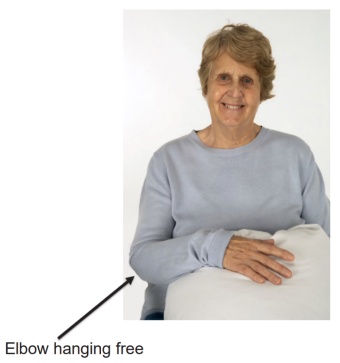
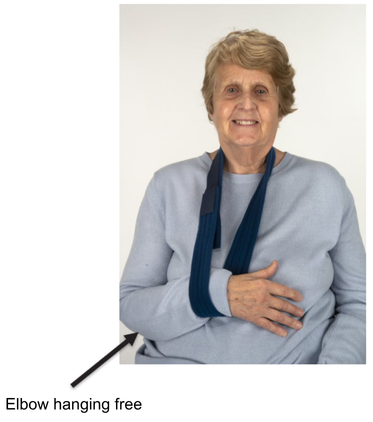
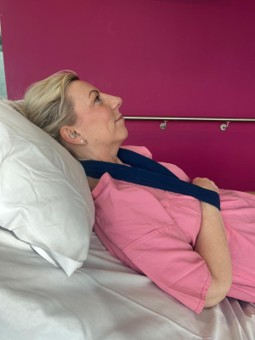
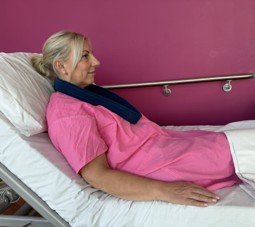
A simple looped sling has been provided for comfort. Remove it daily to complete the exercises described later in this leaflet.
Finger foods, such as sandwiches, can be easier to manage while your arm is healing. Simple aids, such as a plate guard or wide-handled cutlery, may make eating easier. Ask a healthcare professional if you need advice.