When they got home, a visit to their GP quickly escalated into appointments at Bristol Royal Hospital for Children, where Annabelle was diagnosed with juvenile idiopathic arthritis (JIA).
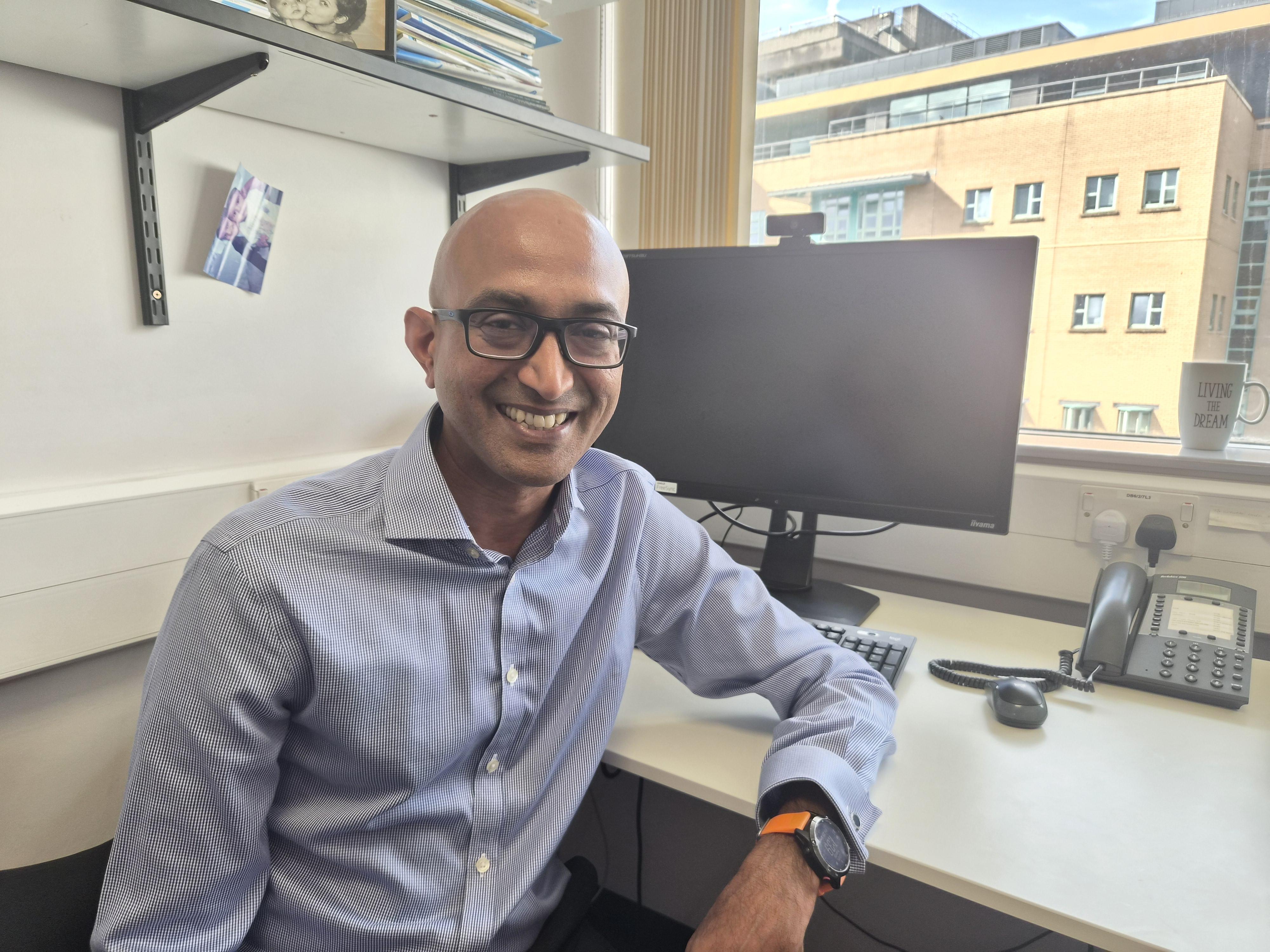
A new £50 million Medical Research Council (MRC) grant is funding an international research consortium to investigate the causes of inflammatory diseases and work towards cures for conditions such as JIA. The consortium includes Professor Athimalaipet Ramanan, a paediatric rheumatologist at Bristol Royal Hospital for Children.
JIA is the most common form of chronic childhood arthritis, affecting around one in 1,000 children. It is an autoimmune condition, meaning the immune system mistakenly attacks healthy tissue. In JIA, this causes inflammation in the joints, leading to pain, stiffness and reduced mobility.

Annabelle is now 17 and has been living with JIA for a decade. She explained:
"You have these symptoms which are recurring. For me, my joints were really hot, painful, swollen and stiff. That meant I wasn’t always in the best mood. Often my parents would notice something was wrong with me before I realised what was going on myself!
“I often felt unwell and found everyday activities difficult.”
She has been on a few different treatments over the years and is now stable on an injected medication, administered by her mum every fortnight.
Since starting this treatment, Annabelle is now very active, playing several sports including football, hockey, cricket and rugby. However, like many people with JIA, she may need treatment for the rest of her life because there is currently no cure.
The 14-year MRC programme aims to change this, bringing together researchers from around the world to study the shared biological mechanisms that drive inflammatory disease.
Professor Ramanan said:
"We have excellent treatments that help many patients manage their disease, but our ultimate goal is to find cures. While inflammatory conditions affect different parts of the body, they may share common underlying mechanisms.
“By bringing experts from different specialties together, we have a real opportunity to better understand these diseases and accelerate progress towards cures."
Heather, Annabelle’s mother, said:
“The care that Annabelle has received at the Children’s Hospital from Ram, his medical team and the incredible nurses and physios has been exceptional. When Annabelle first became ill, we worried she’d never be able to live a normal life and return to the activities she loves, like playing sport.
“But it’s not been an easy path to get to this point. Multiple hospital appointments, trying different treatment regimens, administering injections – all of this takes its toll. A cure for these inflammatory diseases would be life-changing for so many families.”
For Annabelle, the prospect of a cure would mean future generations facing fewer challenges than she has experienced. She said:
“I don't remember my life without arthritis. It will be good for kids to just live their normal life and not have the struggles that I've had.”
Annabelle recently told her story to the BBC.